Bright Mount Adventure – Organized Tours

Home / Tours / Italian Alps
Italian Alps

Country

Italy

Trip duration

5

days

Group size

10

people

Difficulty level

Comfort level

Country

Italy

Trip duration

5

days

Group size

10

people

Difficulty level

Comfort level

600

EUR

+

150 EUR

(on-site expenses)

Why travel with us?

You’ll meet people, culture, and flavors that exist only in this place

Everything you need during the trip is already included in the price

We design trips we’d love to go on ourselves

Our trips offer time not only for sightseeing, but also for relaxation

These unforgettable adventures are waiting for you

Each of our journeys is a unique composition of impressions: from awe at nature and local cuisine to moments of true serenity. We create programs that allow you to deeply and sincerely experience a place, without haste and unnecessary stress. We select only those adventures that are truly worth experiencing. Here are just a few of them that await you.

Via ferratas
A new experience. Try your first via ferrata with lanyards for self-belaying. Add a real climbing adventure to your collection! At first, it might feel a bit intimidating, but once you test the system in practice and start trusting the equipment, conquering this "iron path" becomes fascinating. This fresh experience brings a wave of new emotions, adrenaline, and excitement.
Discover the magic of Mount Hochfeiler
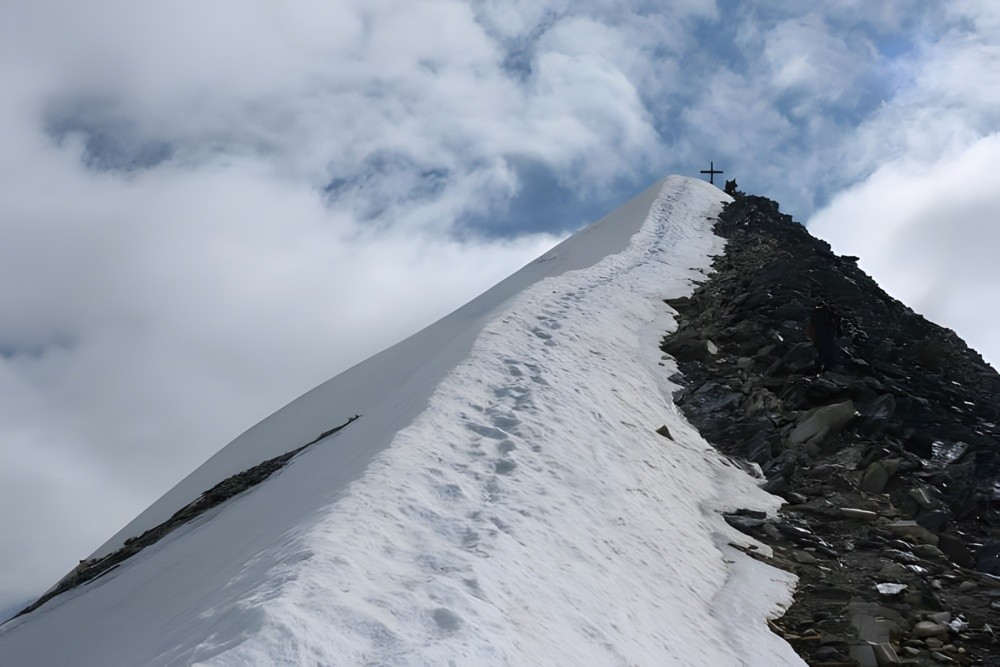
Rising proudly to 3,500 meters, Hochfeiler (Gran Pilastro) is one of the most impressive peaks of the Eastern Alps, located on the border between Italy and Austria. It delights with Alpine panoramas, accessible trails, and a peaceful atmosphere. Hochfeiler offers adventure lovers the perfect combination of challenge and beauty. Experience a complete digital detox and immerse yourself in the untouched beauty of South Tyrol, where every step brings you closer to the clouds and the pure joy of being in the mountains. Whether you are an experienced climber or a passionate hiker, Hochfeiler guarantees an unforgettable escape into the majesty of nature.
The Dolomites
Breathtaking peaks, shimmering Alpine lakes, and sun-drenched meadows — the Dolomites are a world of adventure and wonder. Wander enchanted trails, admire dramatic rock formations, and soak in Italy’s most iconic mountain landscapes. Come for the views, stay for the emotions. The Dolomites — nature’s masterpiece awaits!

Trip itinerary

Vipiteno, Italy

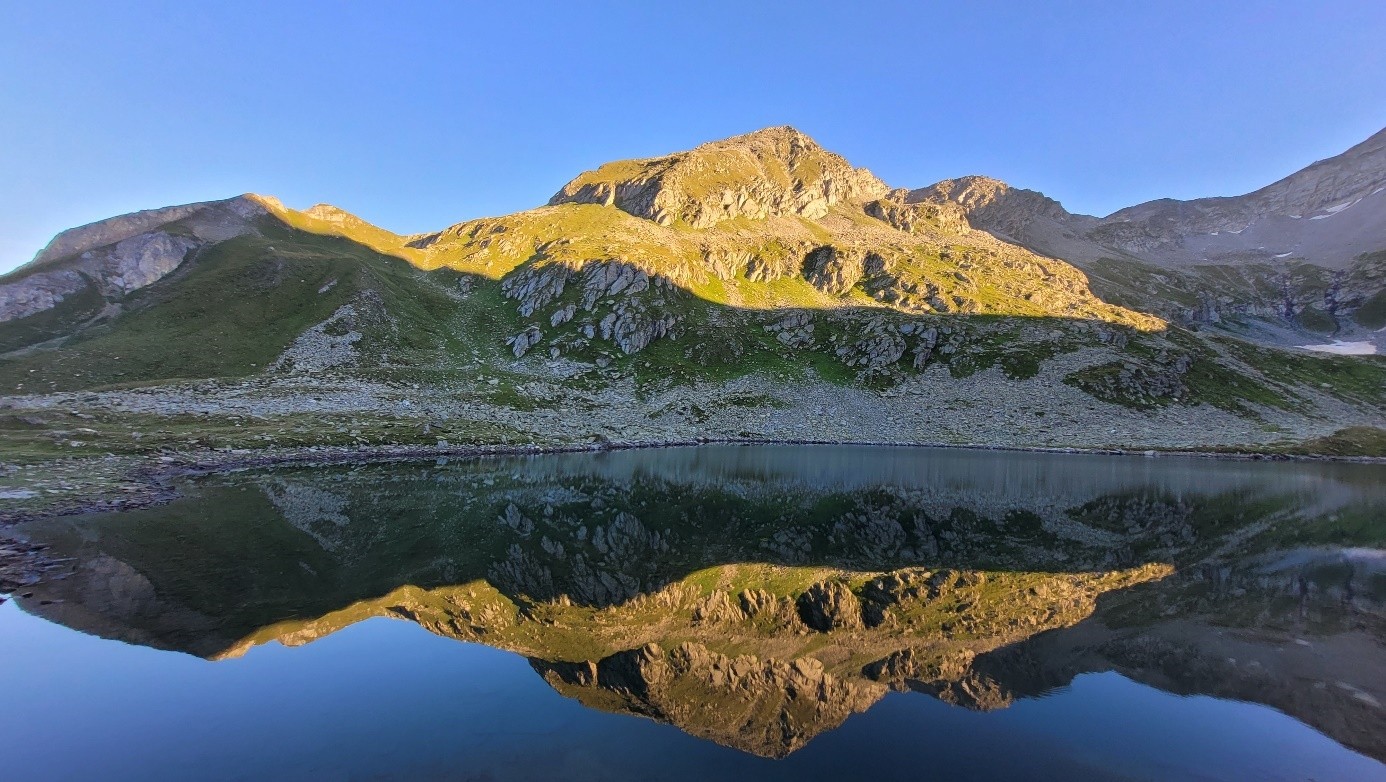
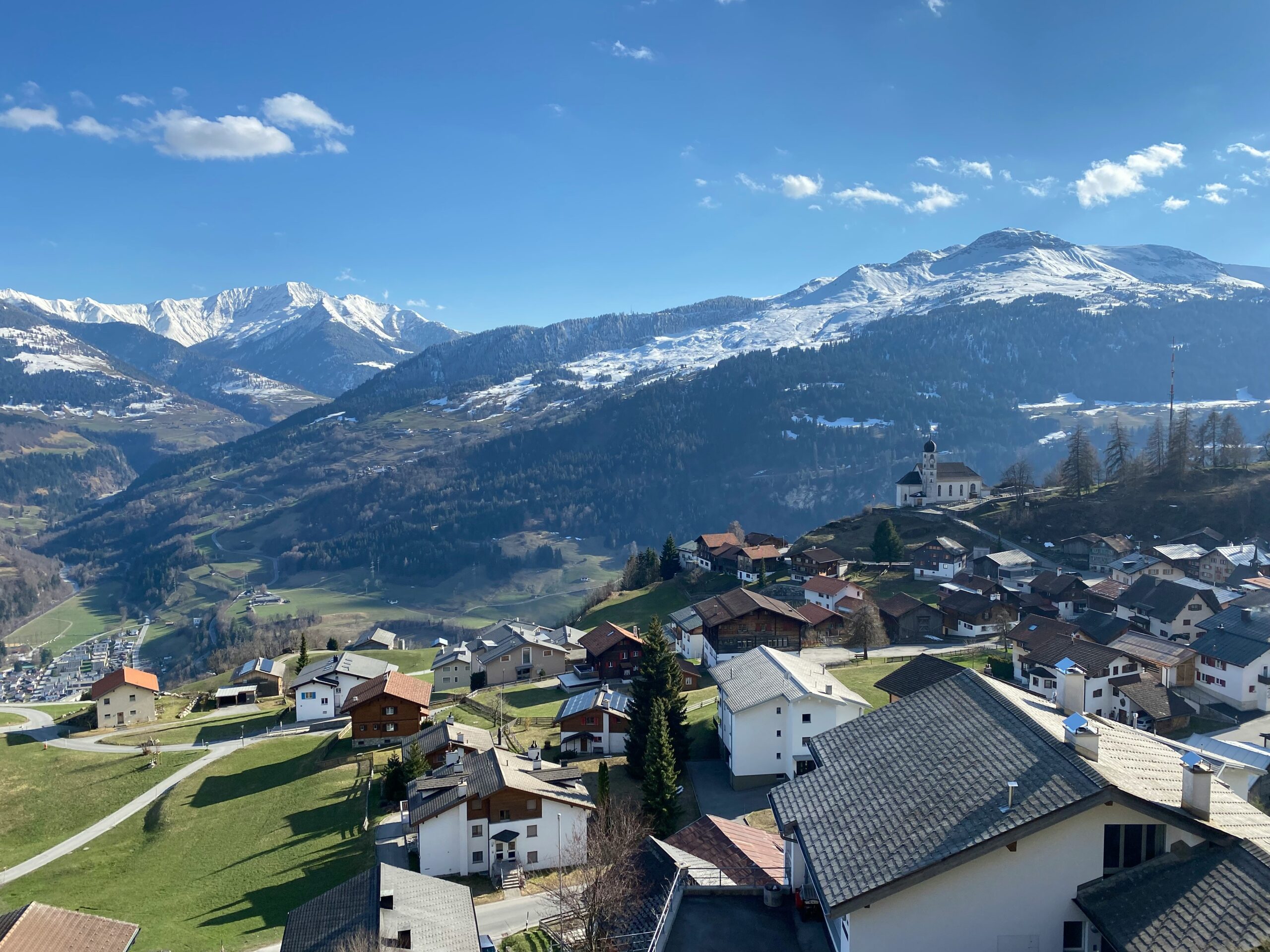
This is truly a fascinating place with no cell signal. A total detox. You disconnect from the noise of information. You can listen to nature, enjoy the fresh mountain air, calmly observe grazing cows nearby, and hear the gentle sound of bells around their necks. On this day, we will ascend to 2500/2700 meters, then descend about 200 meters to set up camp for the night. At an altitude of 2200/2500 meters, we will spend the first acclimatization night, as the body adjusts best to slight oxygen deficiency during sleep.

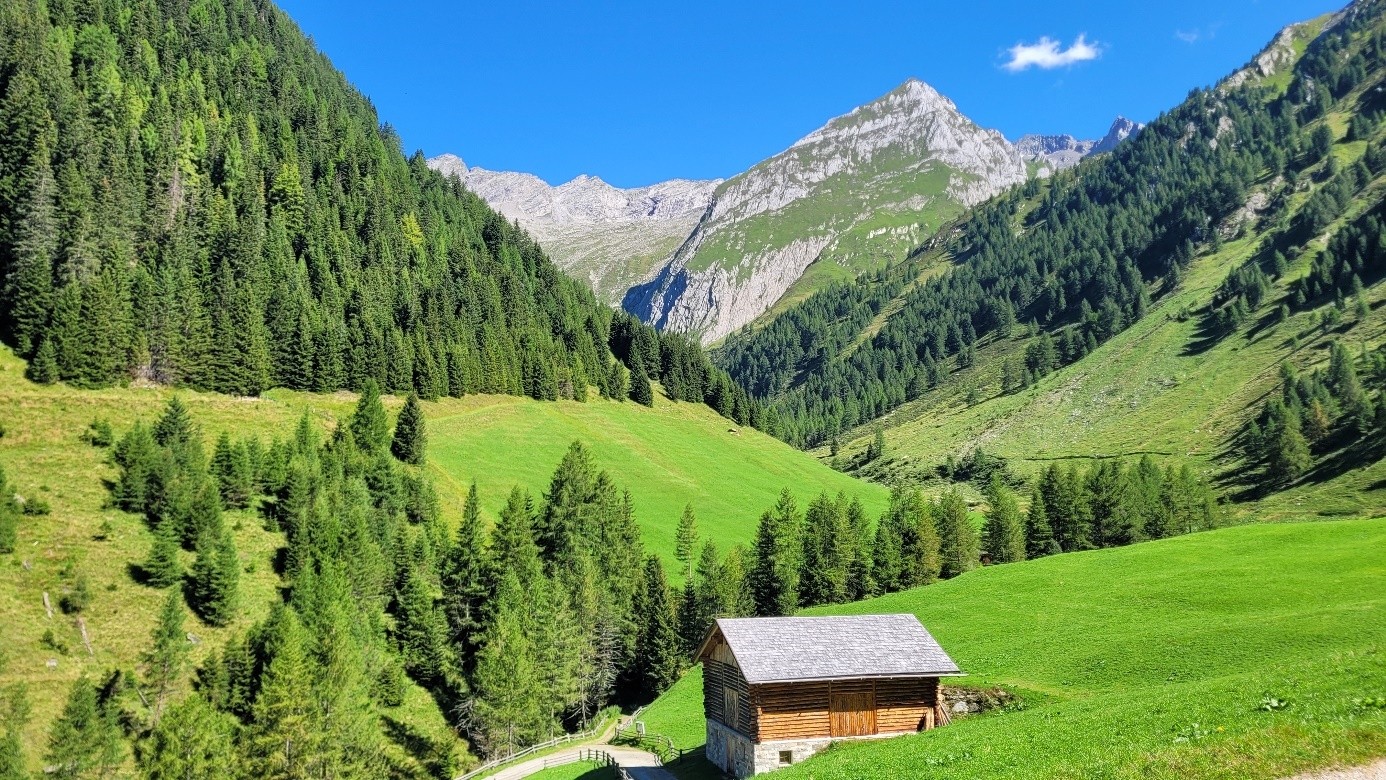
Start in the heart of an Italian valley at 1500 m
Cooling your feet in mountain rivers
Learning optimal packing
Delicious Italian dinner at a mountain hut

What a joy it is to be an explorer—to wander around, explore the landscape, and discover something new. The hike begins at a parking lot at 1,500 meters in an Italian valley. It's important to monitor the weather and choose your gear accordingly. Sometimes it can be scorching hot, other times it can rain as much as a month normally would. Thanks to modern technology, the forecast for five days ahead is currently accurate to around 80%.
Overcoming Difficulties. First and foremost, for a comfortable approach, it's worth checking the weight of your backpack before setting off. It shouldn't weigh more than 8-9 kg. Of course, you can hike with 10+ kg, but then you won't be able to cover long distances quickly; with 12 kg, it's very difficult. Let's discuss the essential equipment: a baseball cap, sturdy sports sunglasses with strong UV protection (goggles are also a good choice), sunscreen, and thermal underwear with long sleeves and legs to protect your entire body. The neck is most exposed, so you'll need a special scarf or shawl – an absolute must-have in the intense mountain heat. Arrival day should be easy – both in terms of elevation gain and mileage. Tiredness from the car journey is starting to set in. Mountain rivers are great for cooling your feet. It's best to hide in the shade and take breaks every 40 minutes. If you come across a mountain hut along the way, you can grab a bite to eat and a beer – it’s always nice and gives you energy for the rest of the journey.
Let's not forget about acclimatization. We'll use a zigzag plan: we'll climb 200-300 meters higher than our planned overnight stay, stay there for half an hour, and then descend to camp for the night. This will give us great motivation to hike up to the shelter at 2,500 meters, enjoy some delicious Italian cuisine, and then pitch our tent at 2,200 meters for the night or stay in a shelter, which is more comfortable than a tent.

3000 m pass and glacier

This stage of the trek is a true school of mountain life — acclimatization, ascent through rocky passes, and the first encounter with a glacier. Slowly gaining altitude allows time for the body to adapt and to take in the extraordinary views. Spending the night in a high-altitude mountain hut without signal or internet is a true detox and a moment of closeness to nature. Crossing the glacier with crampons and a rope adds authenticity and emotion to the mountain adventure.

Overnight in a tent at 3000 m
Healthy acclimatization and learning humility in the face of altitude
View from the 3000 m pass and Italian lunch at altitude
Glacier crossing with full mountaineering equipment

During acclimatization, the body gradually adapts to the thinner air, where there is less oxygen, and internal processes are restructured. Gaining altitude step by step on foot is always better than a rapid ascent. I remember how on Tenerife we were taken up by cable car to 3500 meters in just 20 minutes. Because of that sudden gain in altitude, all symptoms of altitude sickness appeared — rapid heartbeat and dizziness. For the body, it's a shock to suddenly find itself in a place with less oxygen. It’s better to move slowly and steadily, allowing the body to adapt. A night at high altitude is something special. Sometimes the moon isn’t visible at all, but in its place — countless stars, a true planetarium above your head. In the valley there’s no signal, which is why the hut actively promotes its marketing slogan — detox, life without the internet. For romantics, it’s a great excuse to stay here for a few days with a book under your arm and a friend across the table, simply living cut off from the world. By the way, breakfast is included in the price of the stay — even lunch, which makes this place convenient for a longer stay. Very practical. The route isn’t short. You need to take care of your water supply, because it disappears like a lonely glacier — the burning sun constantly forces you to replenish the fluids lost by the body. No matter how much you bring, it will always be too little. It’s better to have a filter and draw water from streams flowing down from the glacier. That way, you can always refill your supply.

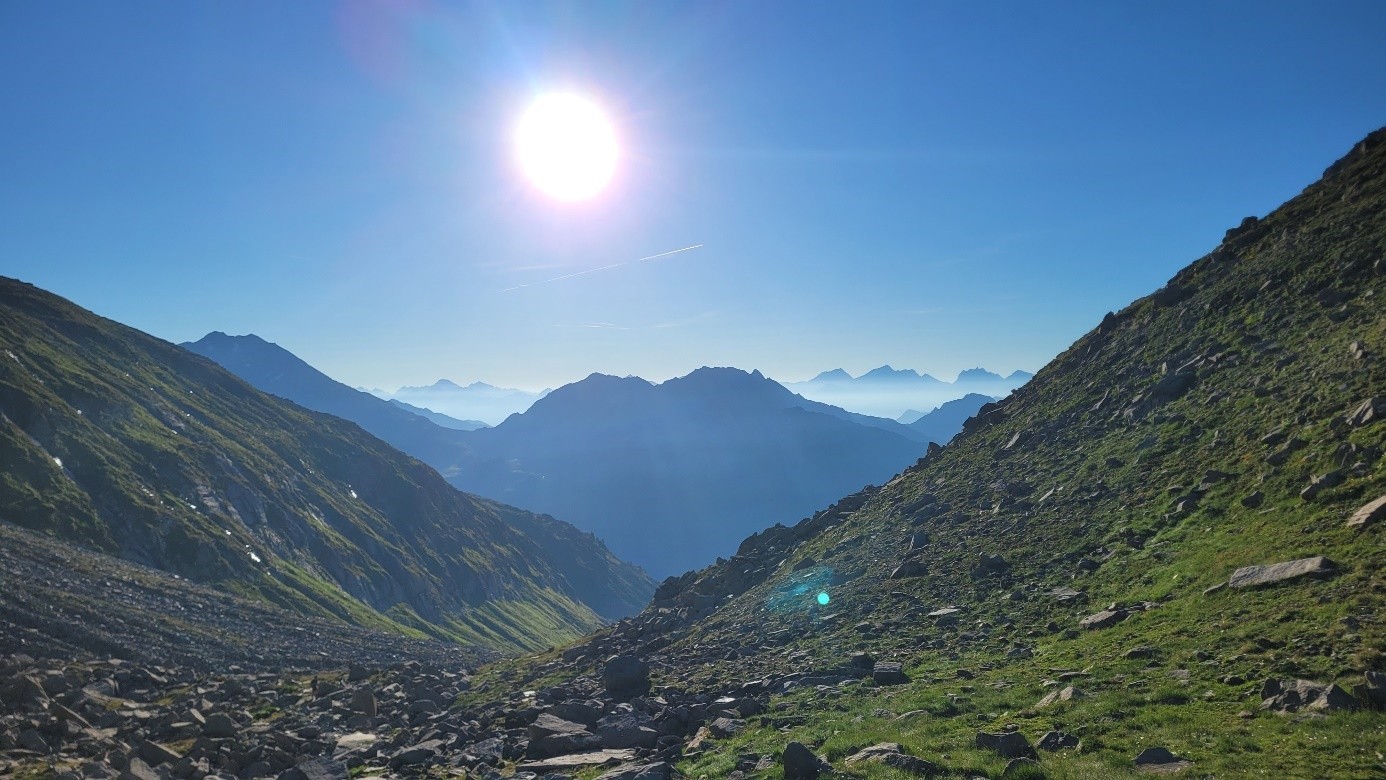
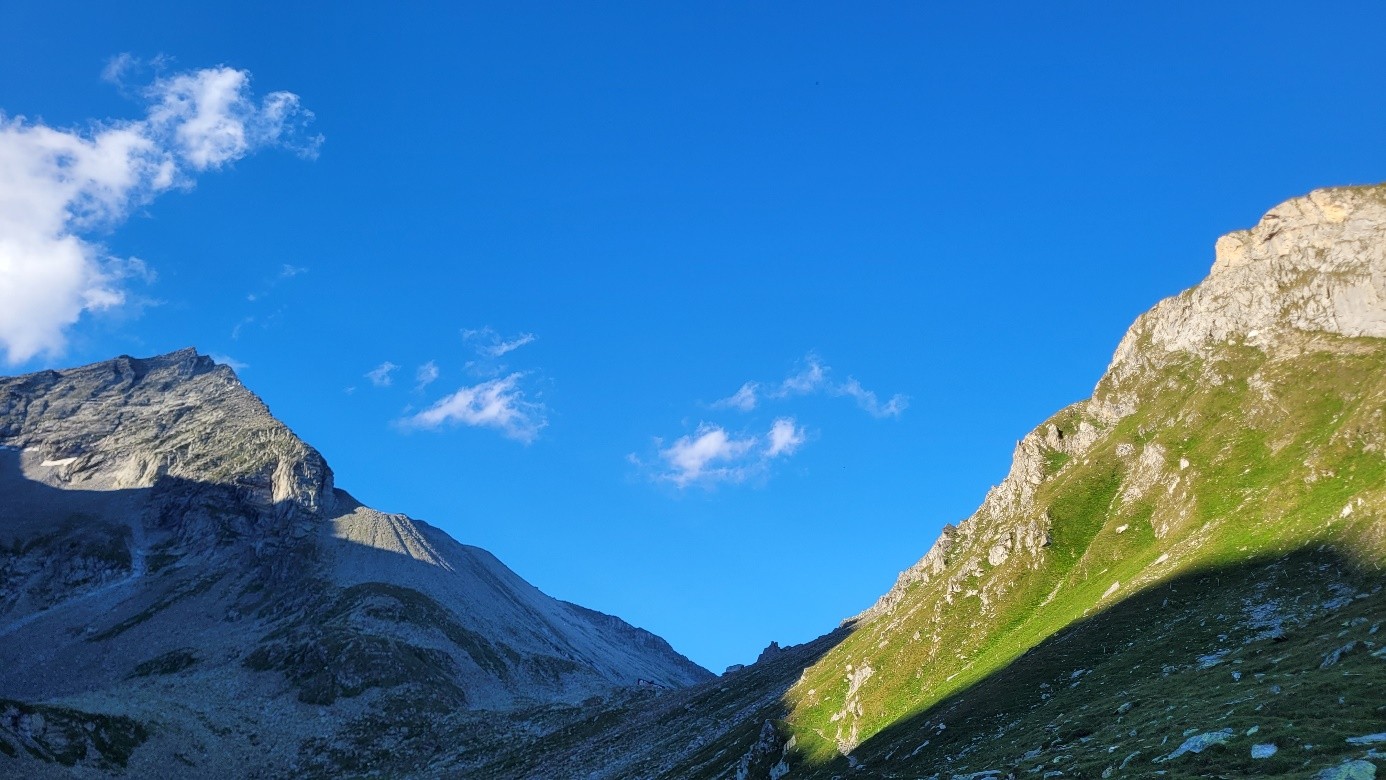
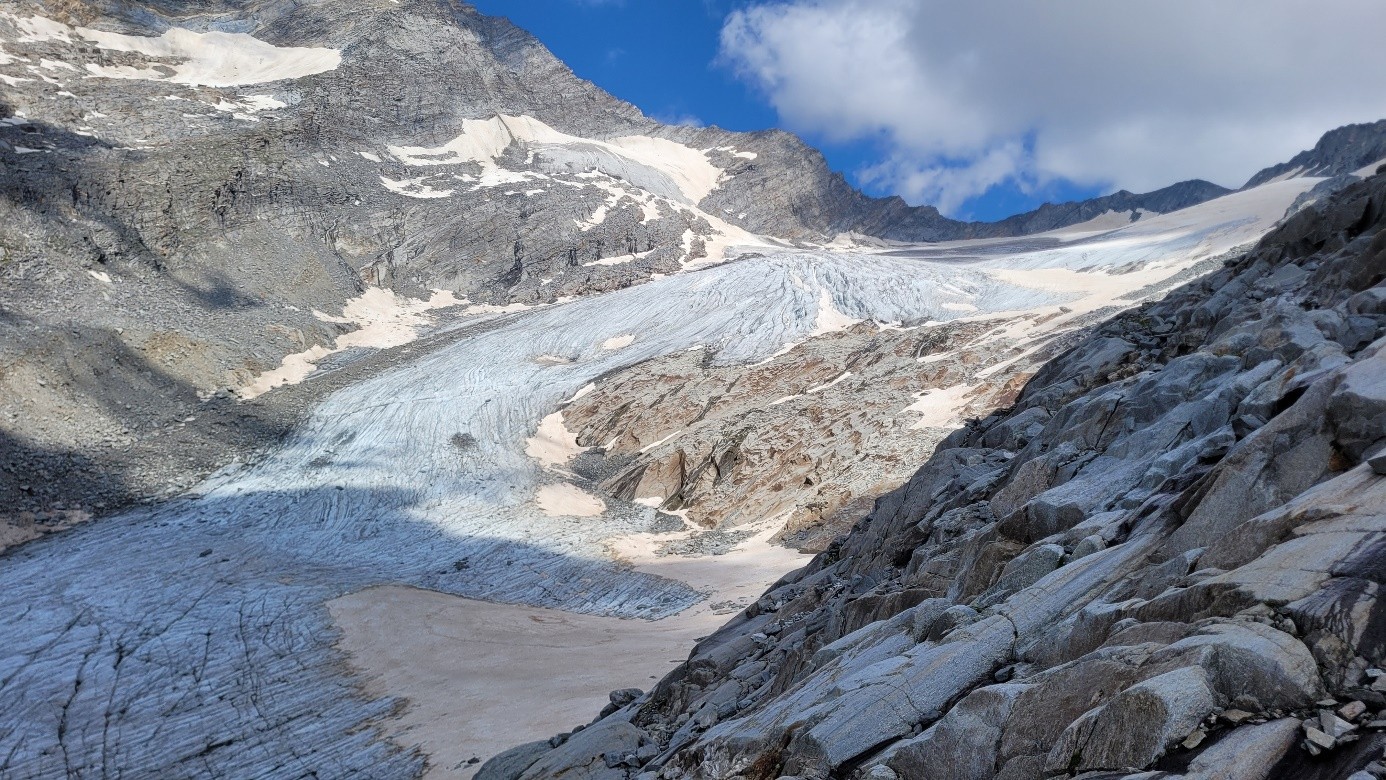
After about three hours of steady ascent, we reach the 3000 m pass. From here, a magnificent view of both valleys opens up — a true Instagram moment. Then we head across the rocks toward the glacier. The rocks here are unique — unlike those in the Tatras or the Austrian Alps. Solid monoliths stretch for several, sometimes dozens of meters. The official trail leads across the glacier. The glacier, glistening, filled with crevasses and mysterious bluish cracks, reveals itself after just a half-hour walk. We put on harnesses, rope up, attach crampons to our boots, and move on. We reach another mountain hut and take a lunch break. The Italians, as always, cook deliciously — the pasta is fantastic. Washed down with a glass of beer, it’s perfect. After a short rest, we head toward the summit of Hochfeiler. For acclimatization, it’s enough today to climb 300 meters above our camp, which means up to 3300 m. There we stop for a 20-minute snack, then descend to the camp for the night.

Ascent to Hochfeiler (Gran Pilastro) 3500 m

After a night at 3000 m, we set off early in the morning to conquer the summit of Hochfeiler (3510 m). The route is a true mountain adventure — demanding, but full of beautiful views and personal breakthroughs. The final meters are a battle with your own fatigue, but the panorama from the top makes it all worthwhile. After descending, a well-deserved rest and Italian pasta in the hut await us.

Ascent to the 3510 m summit
The magic of morning trekking
Views of glaciers and Alpine ranges from the very top
Recovery after summiting the mountain

After a night spent at 3000 meters, the morning greets us with freshness and the aroma of coffee carefully brewed by the guide. A quick snack, packing, and we’re off. We set off on the trail at 6:00, and start walking at 6:40. The way to the summit at a steady pace takes 5–6 hours, and the descent about 2 hours. The higher we go, the slower the steps, and the more the heart reminds us of the thin air. Sometimes, the wind at this altitude is so strong it feels like it's blowing away your thoughts, leaving you focused on only one thing — to keep going. Short breathing breaks become moments to look around: in the distance, summits glisten, and to the east, the morning mist slowly lifts. The last meters are no longer just a path — they’re a small personal battle. But finally, the summit! 3500 meters above sea level. From here, breathtaking panoramas unfold: endless Alpine spaces, gleaming glaciers, long mountain ranges, and tiny valleys far below. Here, at the very top, the entire journey gains a unique meaning and beauty. But reaching the top is only half the adventure. It’s important not to rush on the way back, to save strength and carefully watch your footing. The descent is easier, but after the effort of climbing, the legs feel heavy. Returning to the hut is a special pleasure — you can rest, enjoy delicious Italian pasta, share impressions, and maybe already start planning your next summits. And there are still many ahead.

Dolomites: First Via Ferrat

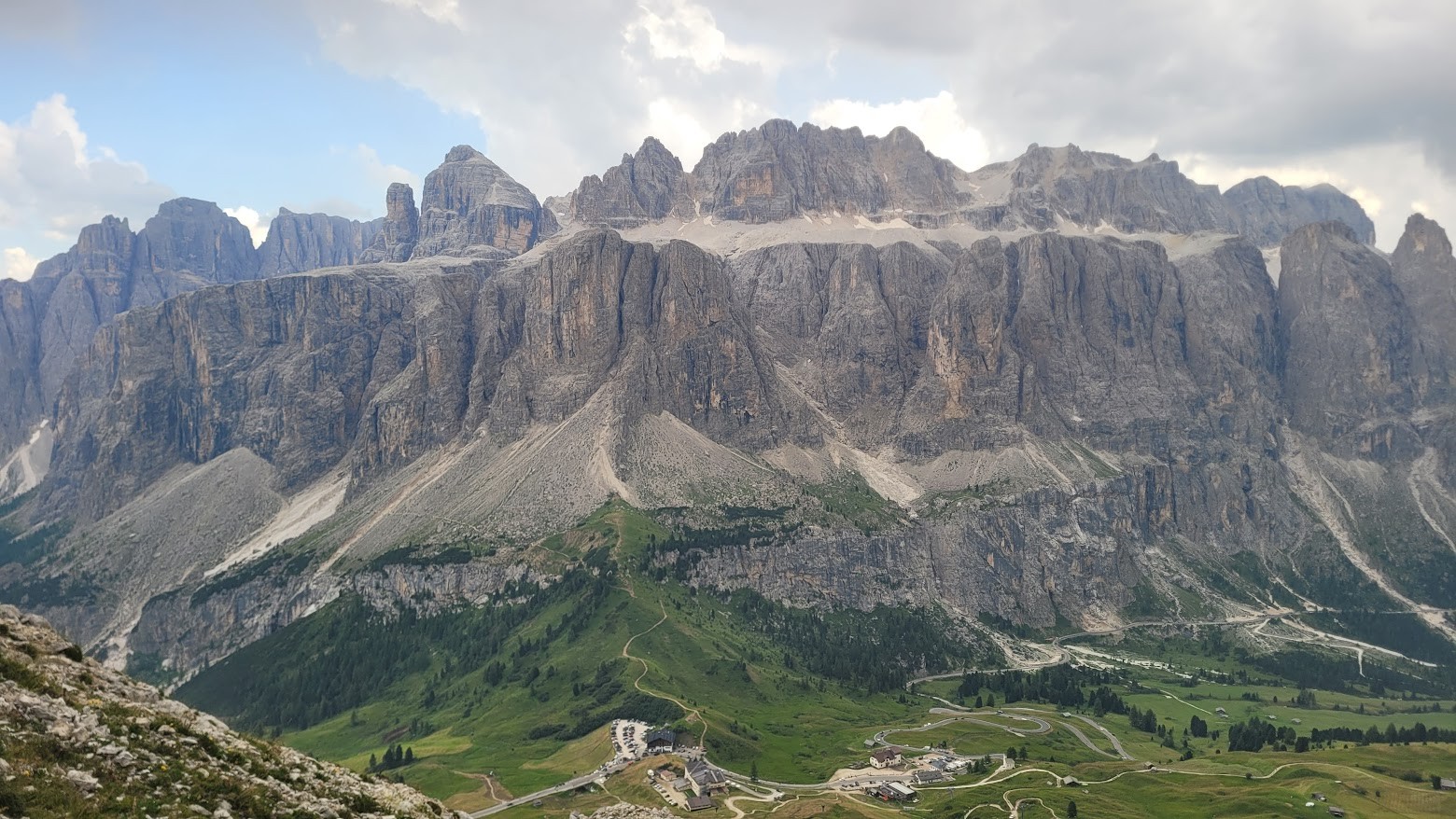
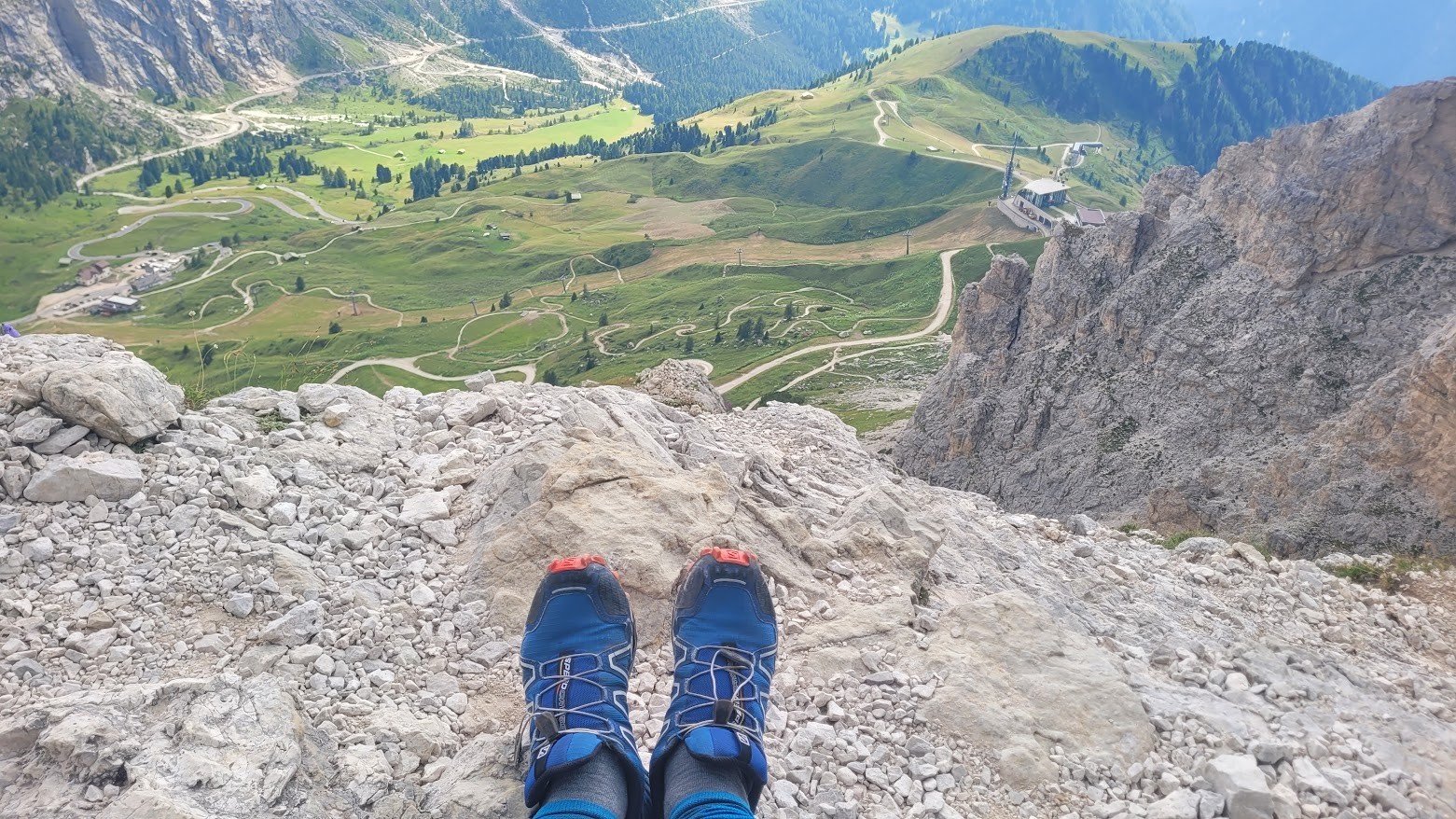
The third day of the trip brings a slower pace and the first encounter with via ferratas in the Dolomites. From Passo Gardena, one of the most beautiful passes in the region, we set off on easy and safe routes like Gran Cir or Piccola Cir. It's a perfect opportunity to try your hand at secured climbing, without pressure and with postcard-like views. For many, it's the first step toward falling even more in love with the mountains – with a light dose of adrenaline, but no stress.

Easy via ferrata on Gran Cir (2592 m)
Gentle ascent and picturesque route
Panoramas of the Dolomites from the very summit
Alternative via ferratas to choose from

The Dolomite Alps are not just mountains — they are a whole world where majesty meets accessibility, and everyone — both experienced climbers and beginners — will find a trail suited to their needs. The Gardena Pass, one of the most scenic passes in the heart of the Dolomites, is traditionally considered a starting point for many trails, including easy and exciting via ferratas. Stopping here lets you immerse yourself in true alpine atmosphere: green meadows, rocky peaks, cozy huts, and of course, that unique sense of freedom that only the mountains can give. This place is full of tourist life, with plenty of souvenirs — from practical t-shirts and caps to many other things. The easy via ferratas on Passo Gardena, such as Gran Cir and Piccola Cir, open up an incredible world of mountain adventures for everyone. No special climbing skills are needed here, there are no terrifying exposures, and the ascents are not exhausting. Instead, you get the joy of hiking, breathtaking views, a touch of adrenaline, and maybe your first true mountain inspiration. After the climb, a day of rest is planned. A peaceful ride through the Dolomites awaits, with stops at local restaurants and admiring those Italian alpine wonders. For those visiting the Dolomites for the first time and who have never done a via ferrata before, it's best to start with the simplest ones and gradually increase the difficulty level. Sometimes, all it takes is to show up at a chosen spot, pick a route, and set off — especially after three demanding days. The third day should be more relaxed, more transitional: simply walk from point A to B and enjoy the views as fully as possible. For those just starting their mountain adventure, it’s worth explaining what a via ferrata is. It’s a mountain route set across rocks using metal cables, ladders, rungs, and sometimes bridges and other artificial elements. Unlike classic mountaineering, which requires advanced rope techniques, a via ferrata lets you pass more difficult sections even without much experience. The most important things are to stay cautious, use the proper safety gear, and trust your instincts.

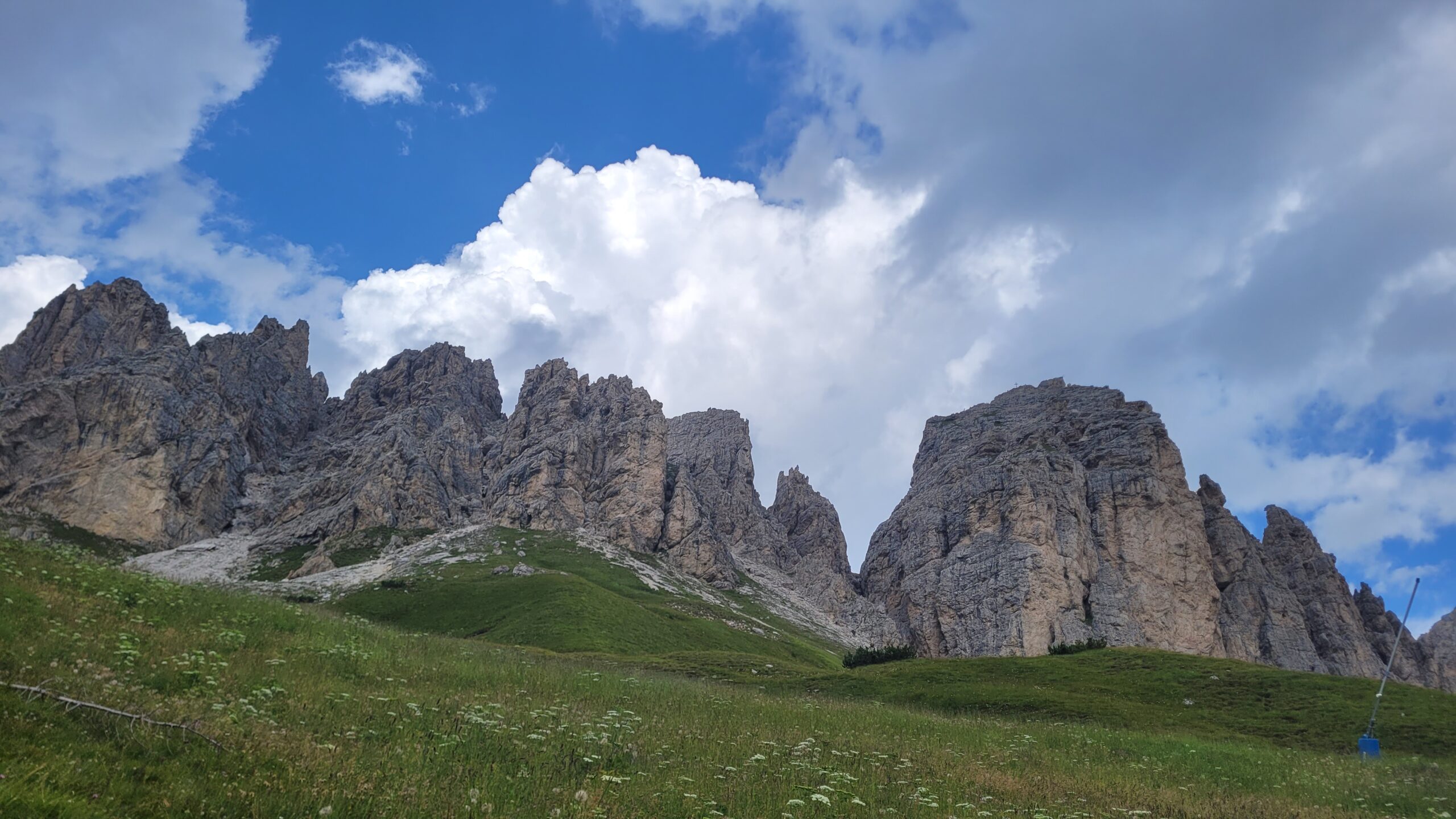
Passo Gardena lies at an altitude of approximately 2,136 meters and connects the Val Gardena and Val Badia valleys. Numerous trails begin here, nestled amidst alpine meadows and towering rock formations. However, the Gran Cir via ferrata and several other easy routes hold a special place—they are ideal for a first experience and a leisurely exploration of the Dolomites. The Gran Cir peak, rising to approximately 2,592 meters, towers just above Passo Gardena. It's one of the most popular and accessible via ferratas in this part of the region. Climbing Gran Cir doesn't require special skills or a high level of fitness, yet it offers the feeling of a true Alpine adventure.

•Route length: approx. 2.5 km
•Elevation gain: approx. 400–500 meters
•Difficulty: easy, category A/B
•Climbing time: Ascent and descent usually take 2-4 hours, depending on your pace

The route begins directly from the pass, where a convenient parking lot is available. The first section leads through gentle alpine meadows, gradually approaching the foothills of the rocks. Soon, the massive yet welcoming Gran Cir appears, as if beckoning you to the summit. Metal ropes and pegs are present along the way, but most sections are conquered with basic belaying equipment and a steady stride across the wide rocky plateaus. What's particularly pleasing is that Gran Cir almost never offers terrifying exposures—even those with a slight fear of heights feel comfortable here. As the ascent concludes and you stand atop Gran Cir, an unforgettable panorama unfolds: the proud Sassolungo to your left, the vast Val Gardena in front of you, and the jagged towers of the Dolomites line the horizon, like a postcard. This is where you want to linger—to breathe in the purest air, watch the soaring eagles, and simply enjoy the proximity and accessibility of the mountains.

Alternative easy via ferratas in the Passo Gardena area
•Via Ferrata Piccola Cir
The neighboring Piccola Cir peak (approximately 2,520 meters) is another easy route, perfect for a first attempt at via ferrata. The trail is short but full of excitement: sections with ropes, easy climbs, and beautiful views of Passo Gardena and the Sella massif.
•Via Ferrata Vallon

Located a little further afield, this slightly longer route is ideal for those who want to tackle slightly more challenging sections while still remaining at a beginner level. Picturesque rock formations are visible along the way, and ropes ensure safety.
•Via Ferrata Sass da Ciampac
Another accessible via ferrata for beginners, this one leads to a viewpoint overlooking the Puez-Odle massif and Val Gardena valley. Here, you can walk at a leisurely pace, savor every step, and take stunning photos.

Tips for your first steps on via ferrata
•Use a special via ferrata lanyard (preferably with an energy absorber).
•Always wear a helmet – rock falls can occur on popular routes.
•Trekking gloves will protect your hands and increase your confidence on steel ropes.
•Choose shoes with a hard sole and good grip – this is important on rocks.
•Drink plenty of water and bring snacks – the ascent may take longer than you expect.
•If you feel unsure, it is better to join a group or hire a local guide.
Return Home

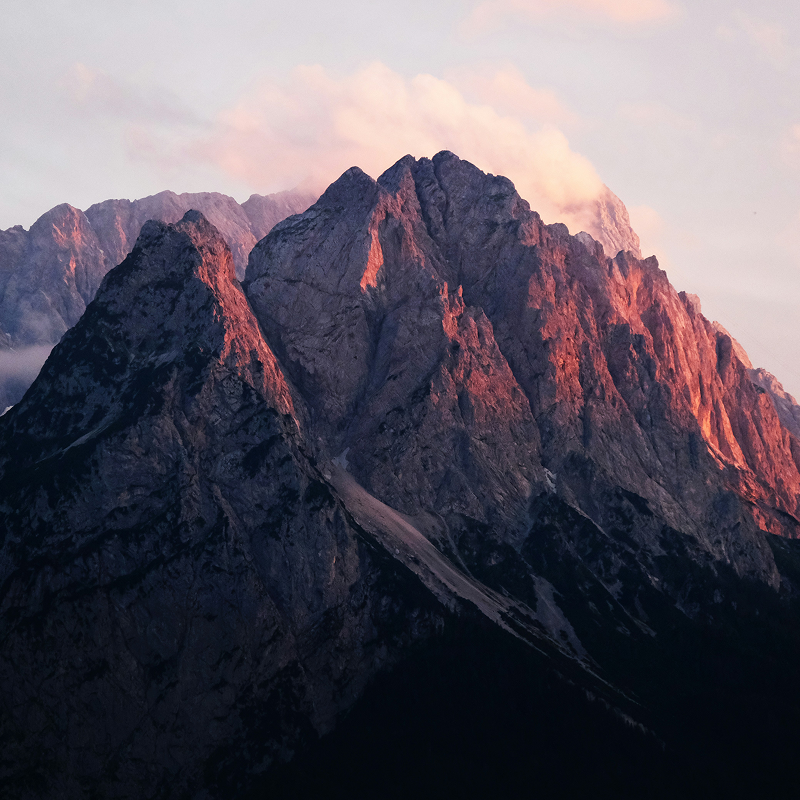
On the way back, you may spot a new goal for the future — Zugspitze. This beauty almost begs to be climbed. You can return via Stuttgart and stop at the Mercedes Museum — a fascinating place full of interactive exhibits, the entire history of Mercedes, and many other attractions. The walls tell stories of all the key events of the 20th century. It's a true journey through history.

Zugspitze – a new goal on the horizon
Mercedes Museum
Multimedia exhibitions and elegant architecture of the building
A moment of reflection, inspiration for the future, and relaxation

On the way, when your thoughts begin to circle around future adventures, you’ll spot a new goal on the horizon — the majestic Zugspitze, the highest peak in Germany. This mountain impresses not only with its height, but also with its remarkable silhouette, which, in good weather, rises from the landscape like a postcard. For anyone who has once felt the magic of high mountains, the sight of Zugspitze works like a magnet — a quiet yet persistent “I have to come back here” begins to echo. It's the perfect moment to note this goal in your mind (or notebook) and slowly start planning the next expedition. On your way back, it’s worth considering a route through Stuttgart to visit one of the most exceptional automotive museums in Europe — the Mercedes Museum. This is not an ordinary car exhibition — it’s a carefully designed, multi-level story about human dreams, innovation, and industrial history. Interactive displays will take you from the first combustion engines to futuristic car concepts of tomorrow. Walking along the museum’s spiral ramps, you’ll see not only the iconic Mercedes models but also key events of the 20th century, shown in the context of technological, social, and ideological progress. It’s a true journey through time — a perfect way to end your trip on a strong note that fuels the imagination and reminds you how many roads still lie ahead.

Trip Price

600

EUR

+

150 EUR

(on-site expenses)

What's included

Transfers to and from the airport in the destination country

Transport from the meeting point to the airport and back

Transport to attractions and return

Support from an experienced guide throughout the trip

Accommodation in atmospheric places

Breakfasts and dinners every day

Entrance tickets to attractions

Tourist tax and local fees

What's not included

Airfare

Cost of possible medical tests

Personal expenses (e.g. souvenirs)

Meals in restaurants / cafes

Additional luggage or excess baggage fees

Extra attractions (e.g. windsurfing)

Extended insurance (e.g. sports)

Transportation not included in the program (e.g. taxi)

Travel insurance (accident and medical)

What our travelers say

Your Guide

Oleg Novosolov
An experienced traveler, guide, and island collector. He combines knowledge with a sensitivity to beauty to lead unique journeys. He specializes in intimate trips where he shares his passion for nature, local culture, and art. He has led mountain tours in the Tatra and Alpine ranges, and now focuses on island adventures. Drawing from psychology, yoga, and climbing, he creates a distinctive atmosphere on each trip. He knows places where you can truly feel the rhythm of nature and local life.

Choose the date of your next adventure

Available dates

Departure Date

Number of Places

Available Spots

Status

No deadlines

Frequently Asked Questions

In what language will the trip be conducted?

We care about the comfort of all our participants, so the language of the trip is always adjusted to the group’s needs. Available languages: Polish, English, or Russian.

Yes, of course. We care about the comfort and well-being of our participants, so during the trip, regular breaks are planned for restroom use, meals, or small purchases.

Yes, absolutely! During the trip, there will be breaks where you’ll have the opportunity to buy souvenirs or local products. We often visit trusted and recommended places selected by the guide. This way, you can be sure you're buying from reliable sellers and won't be misled.

You can sign up online using the form on our website or by phone.

After signing up for the trip, you’ll receive a confirmation. Once half of the group is formed, we begin collecting deposits. The remaining amount is due a few days before departure.

If the trip is cancelled for reasons beyond your control (e.g. not enough participants, unforeseen circumstances), we will refund the full amount paid or offer an alternative date.

Yes, it is possible to cancel your trip, but the refund policy depends on when the cancellation is made. If you wish to cancel, the best option is to contact us directly so we can go over the details together.

Yes, we offer gift vouchers. It’s a great gift idea for your loved ones! If you're considering this option — feel free to contact us.

It depends on the destination. If we’re traveling within the European Union or the Schengen Area, a valid ID card is usually sufficient. For trips outside these areas, a passport is required. If you’re unsure about the documentation needed for a specific trip, feel free to contact us — we’ll be happy to advise you.
If you notify us early enough, it’s usually possible — depending on availability. It’s always a good idea to contact us.
It depends on the type of trip. Each offer includes the level of difficulty. If you have any doubts, feel free to consult us.
We always ask for punctuality, but if an unexpected issue arises, please contact the guide or organizer as soon as possible.

Sign up for the trip

Залишився останній крок, щоб забронювати місце для своєї наступної пригоди!

Call us or fill out the form, and we’ll contact you within 24 hours to confirm your registration.