Lifehacks
Tips for trip participants
What does the difficulty level mean?
Short walks, no effort required, suitable for everyone.
Light walks, possibly short ascents, relaxed pace.
Better fitness required, longer walks, light climbs.
For active people, long hikes, significant elevation gain.
High fitness required, difficult trails, mountainous terrain.
What does comfort level mean?
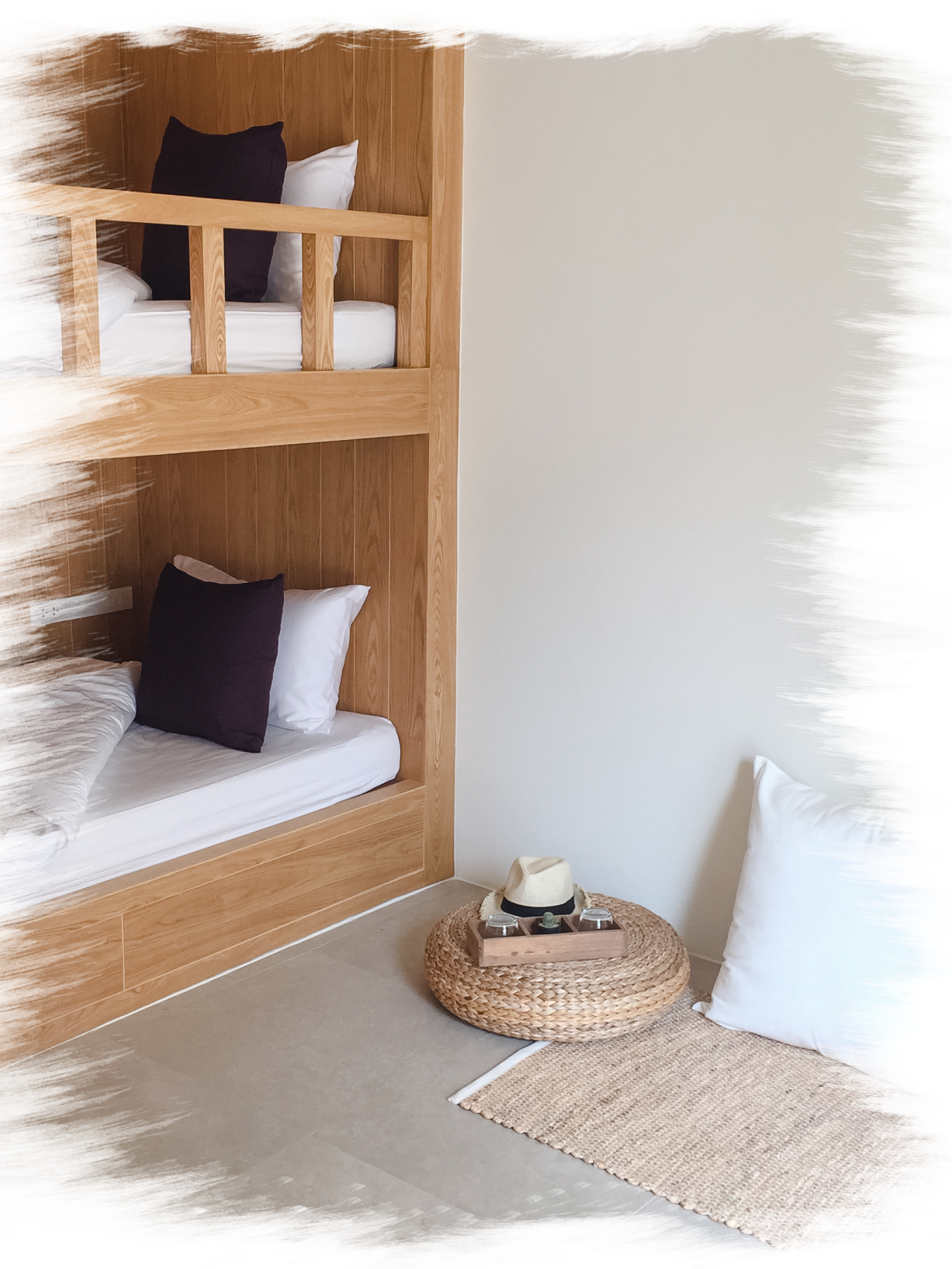
Basic conditions, often mountain huts or dormitory rooms.
Accommodation in tourist guesthouses or hostels.
Double rooms with private bathrooms, hotel standard 2–3★.
Better hotels, rooms with extras (TV, air conditioning), 3–4★.
Highest standard, 4–5★ hotels, full comfort and service.
What to pack for the mountains
To fully enjoy comfort and safety during your trip, it's worth preparing well. Here’s a list of items that may come in handy on your adventure:
Shoes: trail running, trekking, or mountain shoes
Headwear: cap, panama hat, sun hat or winter hat – depending on altitude
Thermal underwear, preferably 2 sets
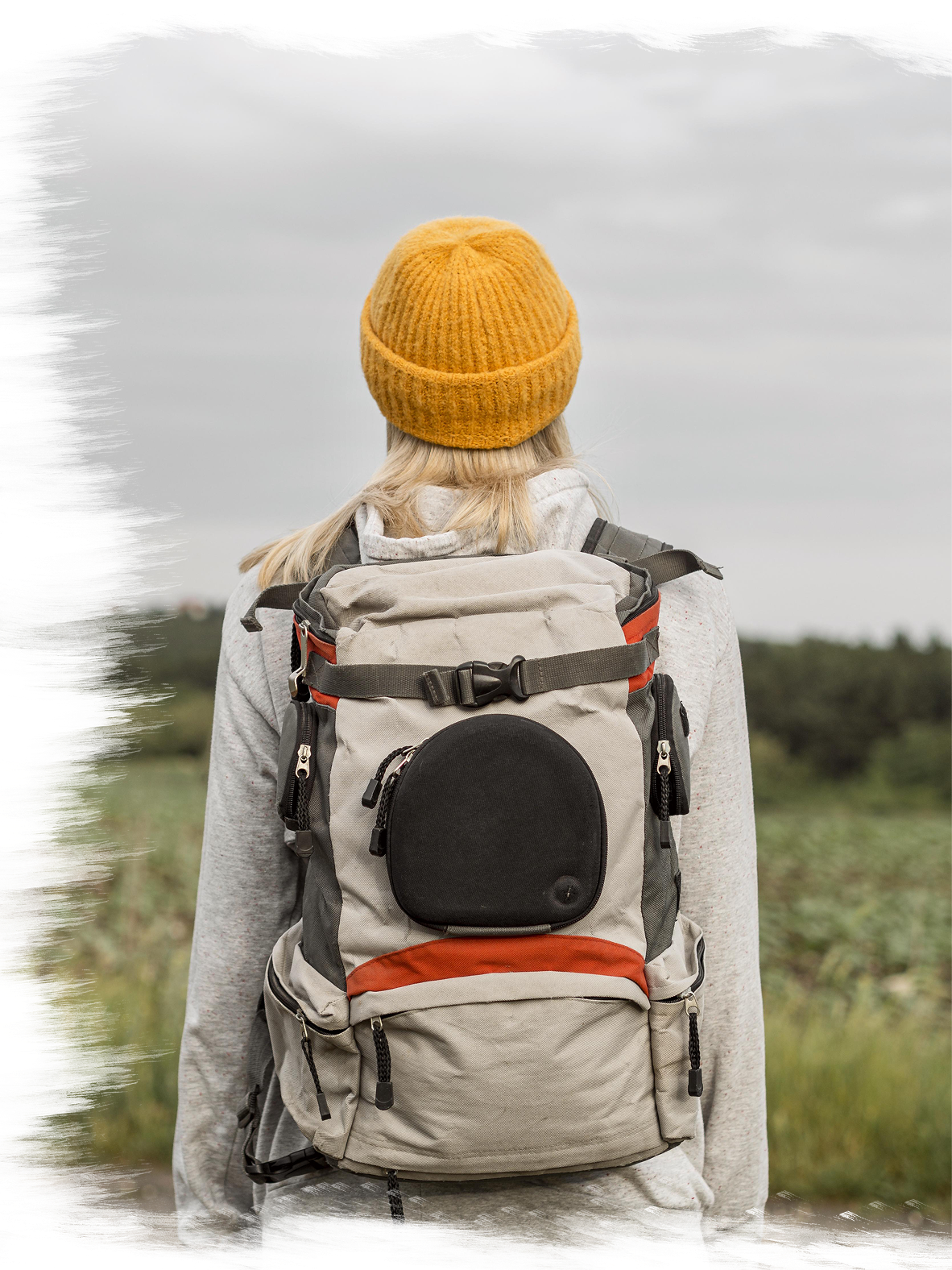
Backpack for water and snacks (20–40 L)
Lightweight pants with membrane
Set of synthetic, quick-drying shirts (can be replaced by thermal underwear if you have 2 sets)
Waterproof jacket or windbreaker with hood – essential
SPF 50 or higher sunscreen
Toiletries – soap, shampoo, toothpaste, toilet paper
Money and documents stored in a waterproof pouch
Chargers or spare batteries, power bank
Pay attention to this gear list. Check off items as you pack to avoid forgetting anything. The list may vary depending on weather conditions.
Backpack – ideally durable and waterproof, but any functional one will do. For women: 65–80 L; for men: 80 L.
Tent – usually provided by the guide
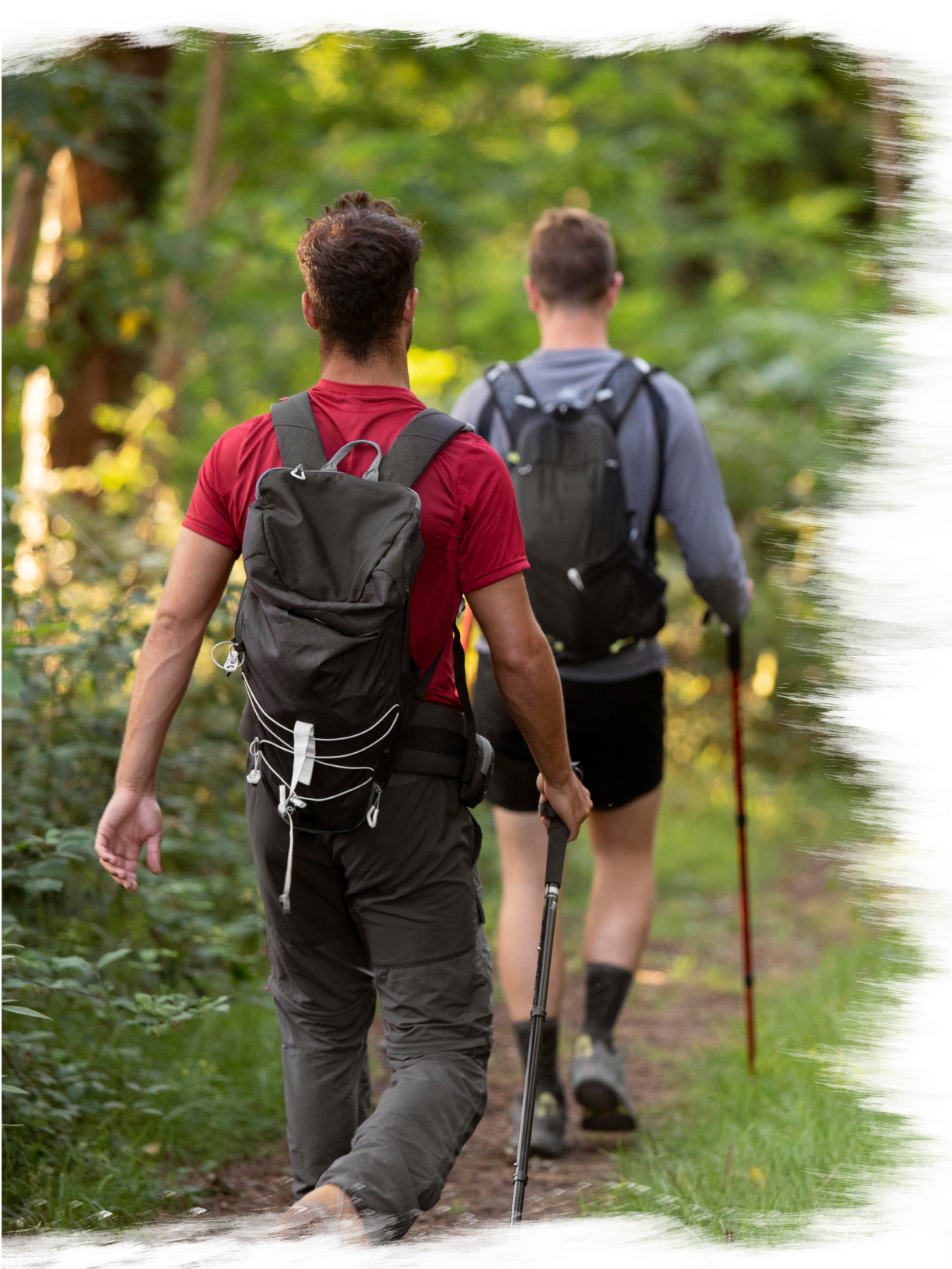
Trekking poles – useful for river crossings and reducing leg strain. Not required if you don’t have them
Sleeping mat – classic or inflatable
Sleeping bag – always pack it in a plastic bag (this applies to all your gear)
Rain cover – if your jacket isn’t a poncho (the kind that covers both you and your backpack), take a rain cover for your pack
Foam seat pad – not essential, but very helpful. People who forget it usually regret it later
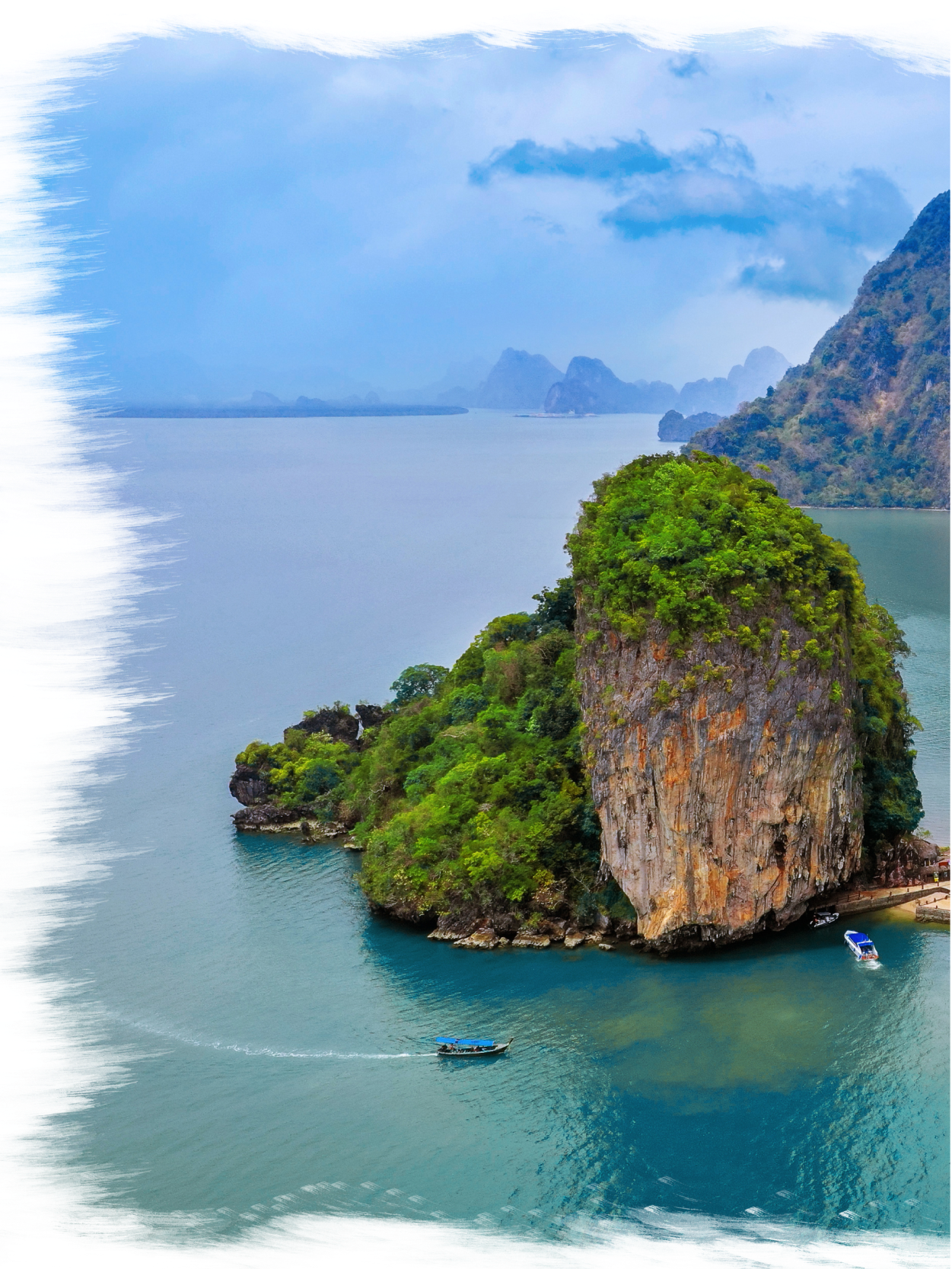
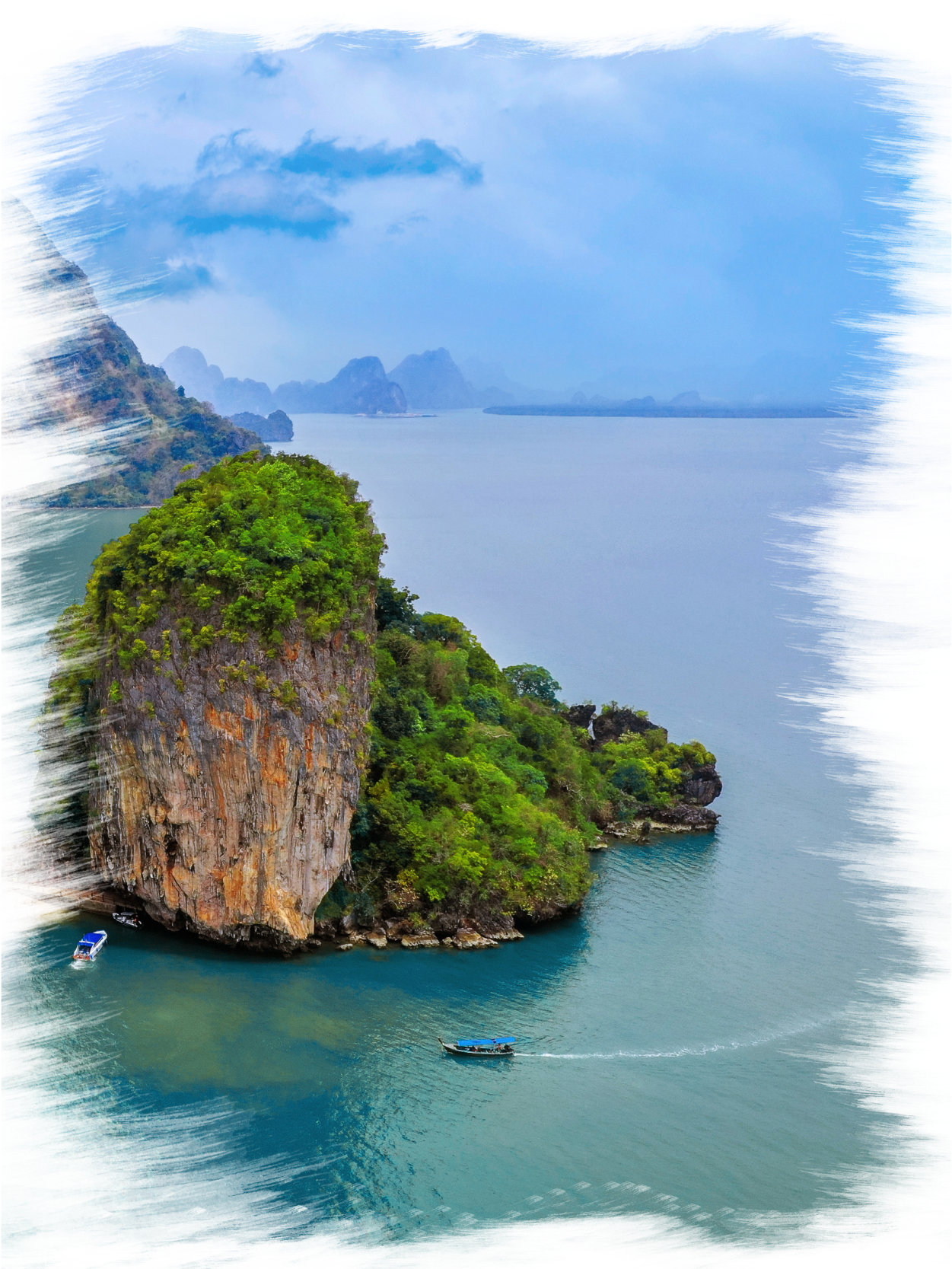
What to pack for island trips
Shoes: sneakers, trekking shoes, hiking or mountain shoes
Headwear: cap, panama hat, sun hat or winter hat – depending on altitude
Backpack for water and snacks (20–40 L)
Waterproof jacket or windbreaker
SPF 50 or higher sunscreen
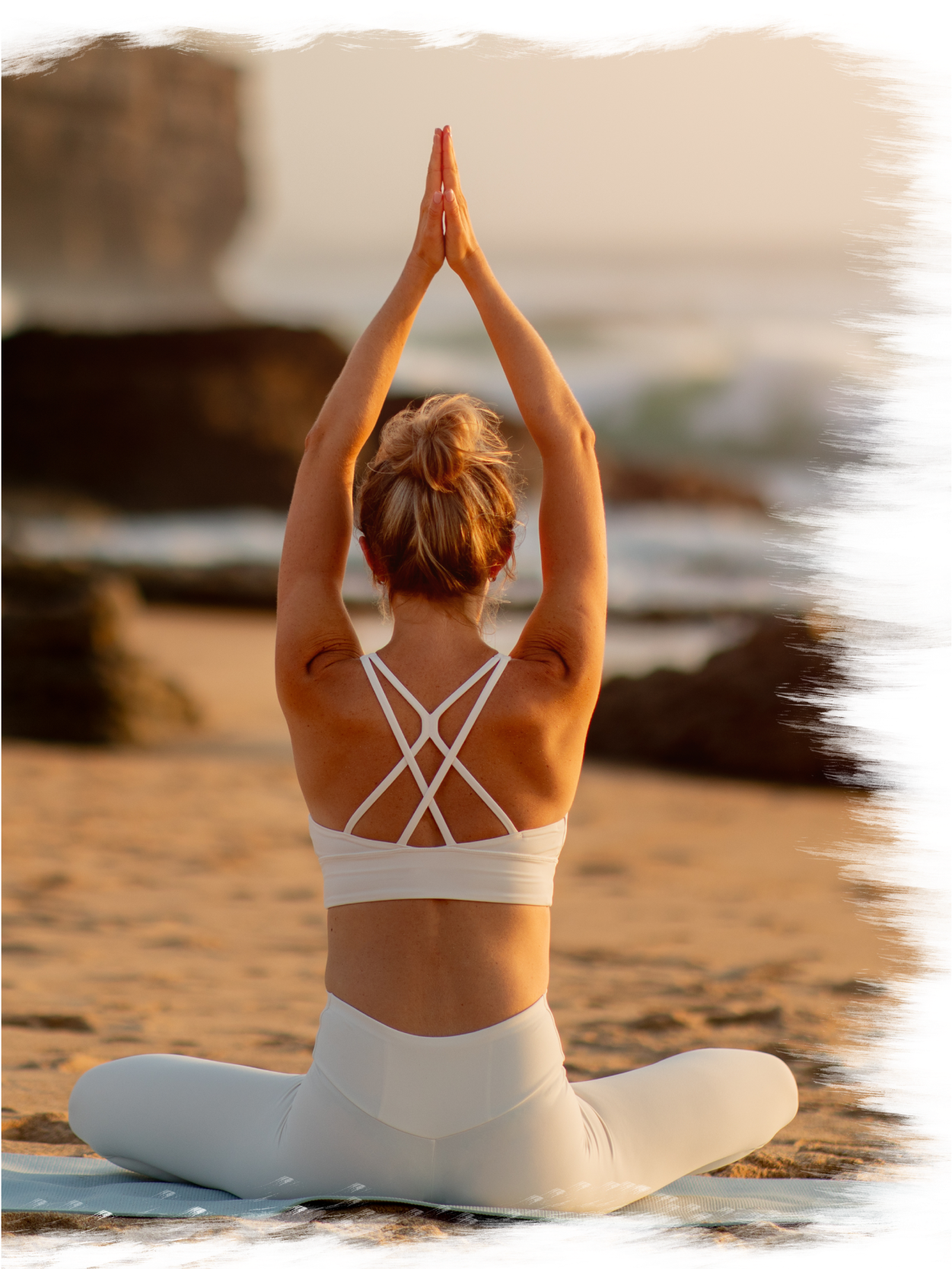
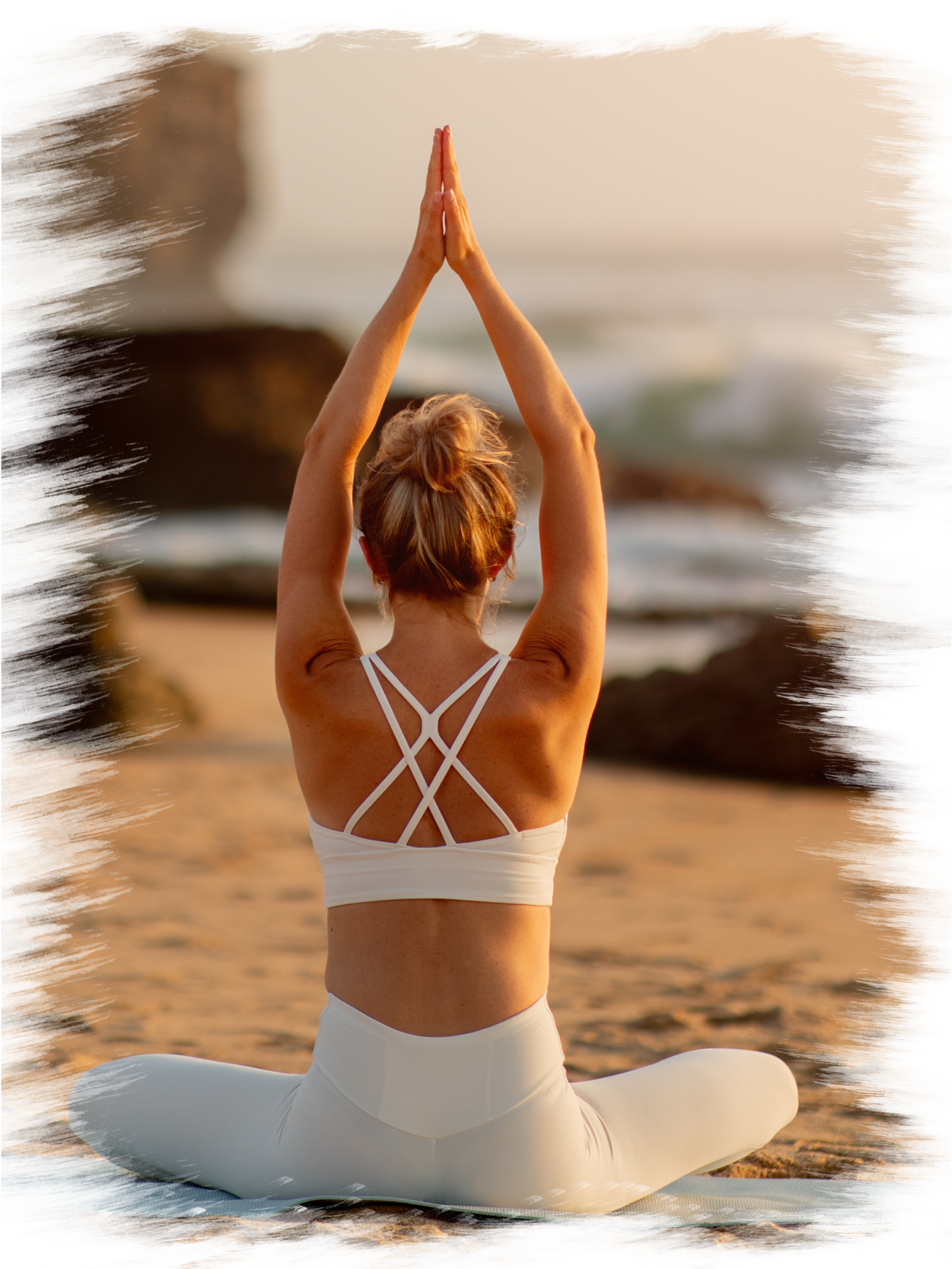
What to pack for a relaxing retreat
Headwear: cap, bucket hat or sun hat
Comfortable yoga clothes / thermal underwear
Backpack for water and snacks (20–40 L)
SPF 50 or higher sunscreen
Waterproof jacket or windbreaker with hood – essential
Notebook, carefully chosen for writing down all your important thoughts during the stay
How to prepare?
Good preparation is key to comfort and enjoyment during your trip. Regardless of difficulty level or accommodation standard, it's worth following a few universal rules.
Check what might be useful at your destination and refer to our checklist below.
Match your expectations to the difficulty level of the trip. If it’s more demanding, start getting ready in advance.
Check the exact meeting time and place
You’ll receive this information from your guide a few days before departure—plan your transportation accordingly.
You might not be able to pay by card everywhere. It’s good to have some cash for small purchases, coffee, or souvenirs.
You can’t plan for everything! With a smile and a flexible attitude, every trip will be a success.
Got questions? Get in touch with us!








 Polski
  English (UK)
  Українська
  Русский